Why You Need for Professional Biohazard Removal in Hoarding Cleanups

August 25, 2023

When it comes to hoarding, many potential health risks must be addressed. From biohazards to hazardous waste, it is important to enlist the help of a professional. We ensure that the environment and individuals involved are kept safe. We will discuss the dangers of hoarding, how to safely handle biohazardous waste, and how to clean a hoarder's house.


The Dangers of Hoarding


The dangers of hoarding can be genuine. Hoarders often need help discarding items. Hoarding can result in cluttered living spaces that can become hazardous for those living there. Biohazards are among the potential risks posed by hoarding situations. They may include biological contaminants like mold, bacteria, viruses, and fungi. These hazards can cause serious health problems when exposed. These microscopic organisms can also live on certain materials, such as cloth and paper, which hoarders may collect and store. In severe hoarding cases, biohazards may be present due to animal feces or urine from pets or wild animals.


A professional must properly remove these hazardous substances from a home or property. Due to potentially dangerous chemicals and pathogens inside a hoarder's home, any cleanup efforts must be carried out safely and professionally with appropriate protective gear for all personnel involved. Improper disposal of biohazards could put you at risk. Improper disposal can contaminate other areas of the home if not handled correctly.


Individuals must understand why professional help is needed when dealing with hoarding situations involving biohazards so that everyone involved stays safe throughout the process.


How To Safely Handle Biohazardous Waste During Hoarding


Before any cleanup begins, it's important to determine what kind of biohazardous waste may be present in the area. This way, you can take the necessary precautions to ensure everyone's safety. To do this properly, you should enlist professional help from a certified biohazard removal team who knows how to handle these materials safely and efficiently.


Proper protective gear is essential to avoid exposure or contamination when dealing with biohazards during a hoarding cleanup. This includes gloves, coveralls, masks, and goggles - all of which should be disposed of after use. It's also important to wear disposable booties over your shoes when entering any contaminated areas and set up physical barriers between yourself and any hazardous materials present.


The next step is proper disposal of the hazardous waste itself. Again, it's best practice to enlist professional help as they will have access to specific containers designed for safe disposal - which is only sometimes available otherwise. They will also know how best to dispose of different biohazards according to local regulations to protect the environment and those involved in the cleanup process.


Finally, once all the waste has been safely removed from the site, everything must be cleaned up thoroughly using steam or chemical treatments. Again, this is something that a professional team will know how best to carry out, depending on each particular situation.


In conclusion, proper handling and disposal methods are essential when dealing with biohazardous materials during hoarding cleanups - attempting a DIY approach could put both yourself and those around you at risk, so don't hesitate to enlist professional help if needed! Professional help is needed for proper removal and disposal and ensuring effective cleanup afterward so that no further health risks remain after cleanup has been completed.

WOW Total Cleaning & Restoration - Blog
By proadAccountId-429873 July 8, 2026
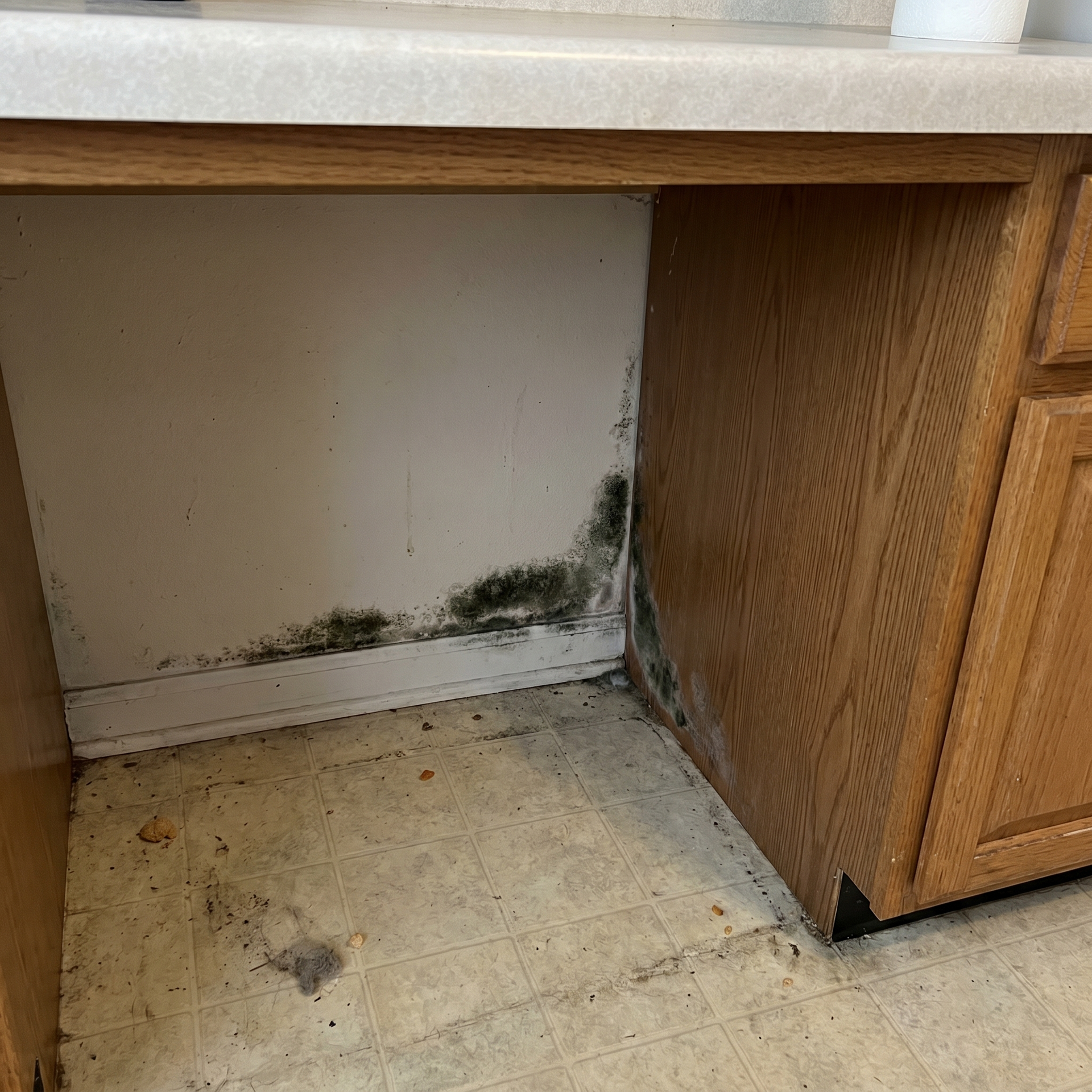
If you’ve spotted a water stain or caught a musty smell in your home or building, the clock is running. It doesn't take long for mold spores to grow — a s little as 24 hours after moisture levels rise — and the humid conditions in Austin are perfect for fungus. Mold and mildew can spread rapidly and cause serious damage in a matter of days, which is why it’s so important to address these issues quickly. When rapid mold growth threatens your property, call WOW for 24/7 professional mold removal in Austin, TX . How Long Does It Take Mold To Grow? While some spores can grow in only 24 hours, each type of mold commonly found in homes and businesses across the Greater Austin, TX, area has its own mold growth rate. In fact, how mold grows and the speed of its development can help identify the type. You can contact our mold inspection team for further assistance. Austin has humidity levels in the 70%-90% range from June through August. These warm, moisture-rich conditions are prime for mold growth. It’s why in Central Texas, water leaks become mold problems especially quickly. Aspergillus One of the most common molds found both indoors and out, you’ve likely encountered Aspergillus on a piece of food that’s gone fuzzy in your refrigerator. But when it’s growing on water-damaged surfaces in your home, it’s time for professional mold eradication.  This fungus has a powdery, speckled appearance and can come in a wide variety of colors. Capable of continuing to spread at 43 degrees Fahrenheit, a lower temperature than most other molds , Aspergillus grows in as little as three to seven days after water exposure. Some varieties can grow up to 12 millimeters per day. Black Mold (Stachybotrys chartarum) Once established, black mold growth is often rapid. However, the molds in this group tend to take a few days to become established after water damage . This type of fungus may not appear for nearly a month, or it could flourish in as little as 72 hours after moisture levels rise. Black mold produces a strong, earthy odor, black, speckled spots, and irritating allergy symptoms. It needs immediate treatment, as it’s one of the most unhealthy molds to commonly grow in homes and businesses. Cladosporium A type of slow-growing mold, you’re unlikely to see Cladosporium growing until two to three weeks after a leak or flood. This means that you may not connect high humidity and mold growth, as the damaged materials will likely be dried out before the olive-green or brown, velvety patches appear. Highly damaging to building materials while also known for triggering allergies, Cladosporium molds grow relatively slowly at only 3 to 4 millimeters per day. But that’s still fast enough to quickly spread the problem without prompt professional mold removal from WOW Total Cleaning & Restoration. Chaetomium Known to devour paper and drywall materials in homes, Chaetomium mold is dark and fluffy. It forms denser patches than most black molds and can grow up to 7 millimeters per day. With appropriate moisture levels, it can become established in only one to two weeks. However, it takes longer to start releasing spores than many other common molds. Still, prompt remediation is key to keeping this damaging mold from spreading. Alternaria Thanks to the warm and humid climate, Alternaria is one of the most common causes for inspections and mold removal in Austin. It has a velvety appearance and can look brown, black, or gray. Spores and colonies often linger in fabric, making upholstery remediation essential. Alternaria mold can grow anywhere from 2 to 7 millimeters per day, maturing enough to release spores in five days. Preventing Mold Growth: What To Look For Austin’s wettest and most humid stretch runs from late spring through summer. This is when it’s especially important to watch for musty smells and water spots, as they can spread quickly. You can prevent mold growth in your home or business by: Dealing promptly with all leaks to lower humidity for mold growth control Calling for professional remediation after burst pipes or flooding Cleaning your air ducts and HVAC systems to remove spores Scheduling at least one professional mold assessment per year, or after any water damage. How fast does mold grow in general? The spores of most molds can activate in as little as 24 hours after moisture levels rise enough. Once you experience flooding, pipe leaks, or other serious water damage events , you can’t wait for water mold remediation services. When To Call for Professional Mold Removal WOW Total Cleaning & Restoration has the expertise to remove all of these fast-growing molds from your home or commercial building. Remember, acting quickly is essential — the longer you wait, the more mold can spread. That’s why we’re available 24/7 with a large team of mold removal specialists. Whether you have water damage or notice a musty smell, you can rely on us for comprehensive mold testing and removal in Austin, Texas. WOW is licensed with the Texas Department of Licensing and Regulation, so we’re legally authorized to do this work, which is not actually the case for all companies advertising mold removal. All of our technicians carry Institute of Inspection, Cleaning and Restoration Certification (IICRC), which means they’re trained on best practices set by the industry’s leading authority. As members of the National Air Duct Cleaners Association (NADCA), we also meet the recognized standards for cleaning the HVAC and duct systems that circulate air through your home. If you suspect any possibility of mold, just give us a call. We’ll dispatch a specialist for a fast assessment and help you contain the damage immediately. Don’t wait and let the eventual repair bill increase. Contact WOW today to fix your mold problem before it spreads. Austin Mold Growth Timeline FAQs How fast does mold grow after a water leak? Mold can start growing within 24 to 48 hours of a water leak. Austin has a warm, humid climate that falls within mold’s preferred growth range. This is why fast water extraction and drying are critical. Can mold grow in 24 hours? Yes, mold can grow in 24 hours when it has access to moisture, an organic food source, and warm enough temperatures. Those conditions are common in central Texas homes and businesses. How long before mold becomes dangerous? Mold can become dangerous within a few days of its first growth. It impacts your air quality and can trigger allergy or asthma symptoms. The severity of your health risks will depend on the type of mold, how long you’re exposed, and how widespread the problem is. Does mold always grow after a flood? Not always, but due to Austin’s elevated humidity levels, it’s very likely that mold will grow after a flood if the affected area isn't dried within 24 to 48 hours. Saturated drywall and soaked carpet padding are especially prone to mold growth. What kills mold permanently? The only true solution to permanently eliminate mold is to remove the moisture source. At WOW, we do whatever it takes to do this, including removing and replacing heavily contaminated drywall and carpet. Professional remediation is the best way to make sure your mold is gone for good.
February 20, 2026
Learn how to prevent the most common causes of water damage in your home. Discover tips on solutions, and smart prevention to protect your property.
January 26, 2026
Texas homeowners can prevent frozen pipes and costly water damage with winter preparation tips from a professional water damage restoration company.
December 17, 2025
May you be worried that mold is hiding in your home? Learn the key signs of hidden mold, health symptoms to watch for, and how to confirm and prevent mold problems before they get worse.
November 20, 2025
Do not gamble with hidden fire damage. Investing in expert restoration protects your home, your health, and your peace of mind.
September 29, 2025
If you’re dealing with a dishwasher leak or any kind of appliance-related water damage, contact a local water damage restoration company right away.
More Posts