Why Quick Action Matters: The 48-Hour Window After Storm Damage

May 23, 2025

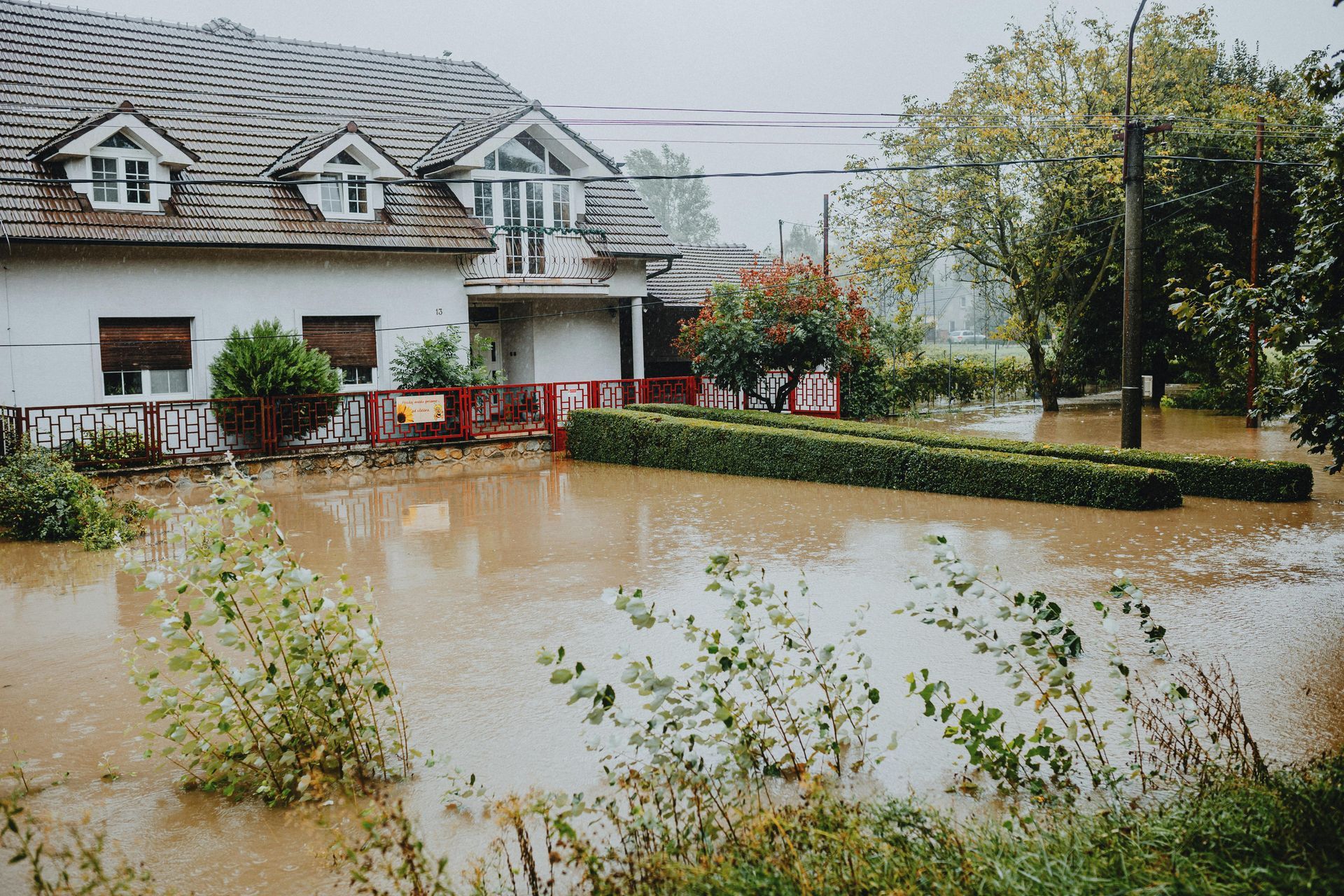
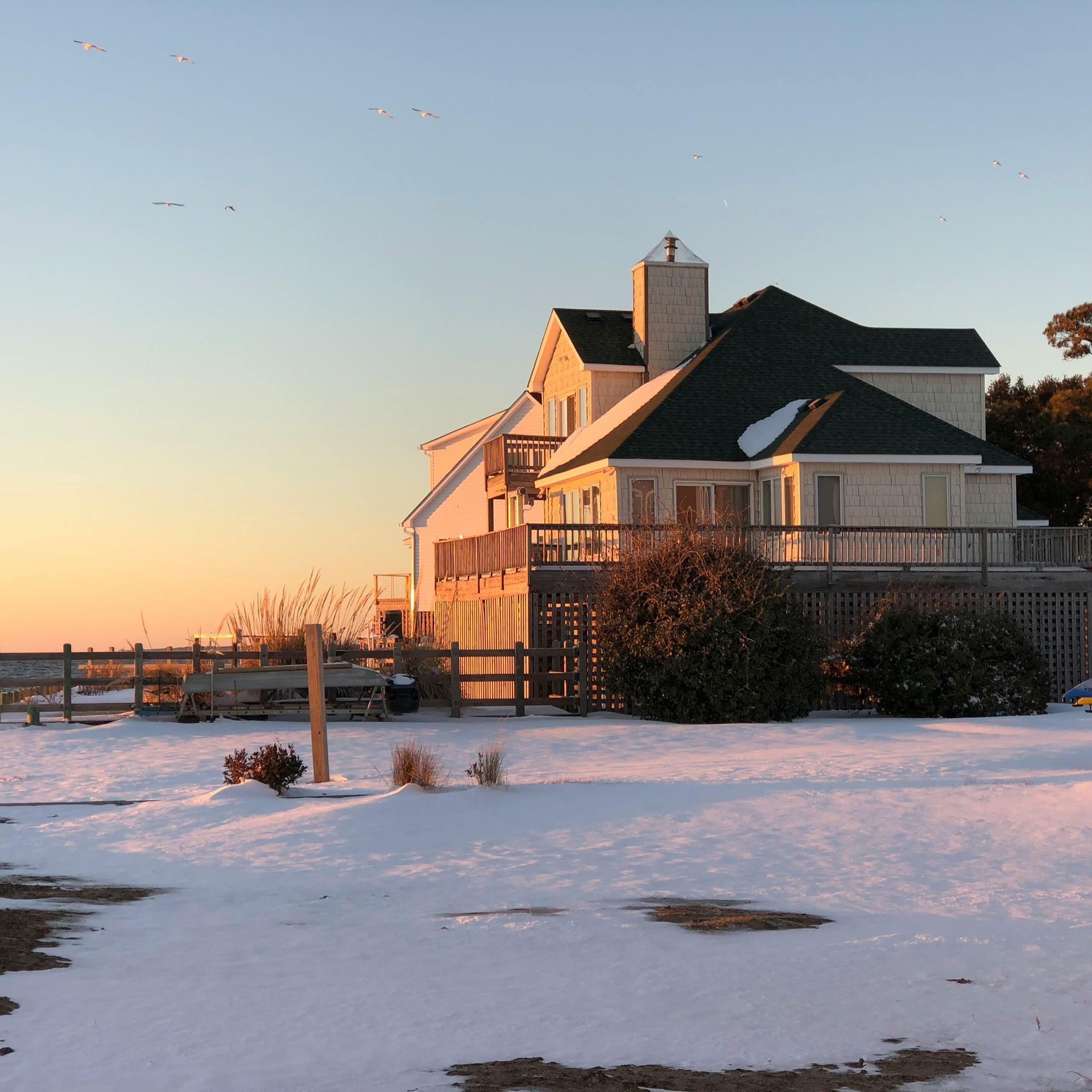
When a storm rolls through and leaves your home damaged—whether from high winds, torrential rain, or flooding, the clock immediately starts ticking. At Wow Total Cleaning & Restoration, we can't stress enough how critical the first 48 hours are after storm damage occurs. Acting fast isn't just about getting things back to normal; it's about protecting your home, your health, and your finances. 


With over 20 years of experience restoring homes and businesses after storms, we've seen firsthand how early intervention can make the difference between a quick recovery and a long, costly process. Here's why that 48-hour window is so important—and what you need to do during it. 


1. Moisture Doesn't Wait—And Neither Does Mold 


One of the most common and dangerous consequences of storm damage is water intrusion, even if it seems minor. Rising water coming from outside carries bacteria and chemicals like pesticides and fertilizers; damp carpets or water-streaked walls can seep moisture deep into materials, creating the perfect environment for spreading bacteria and mold. 


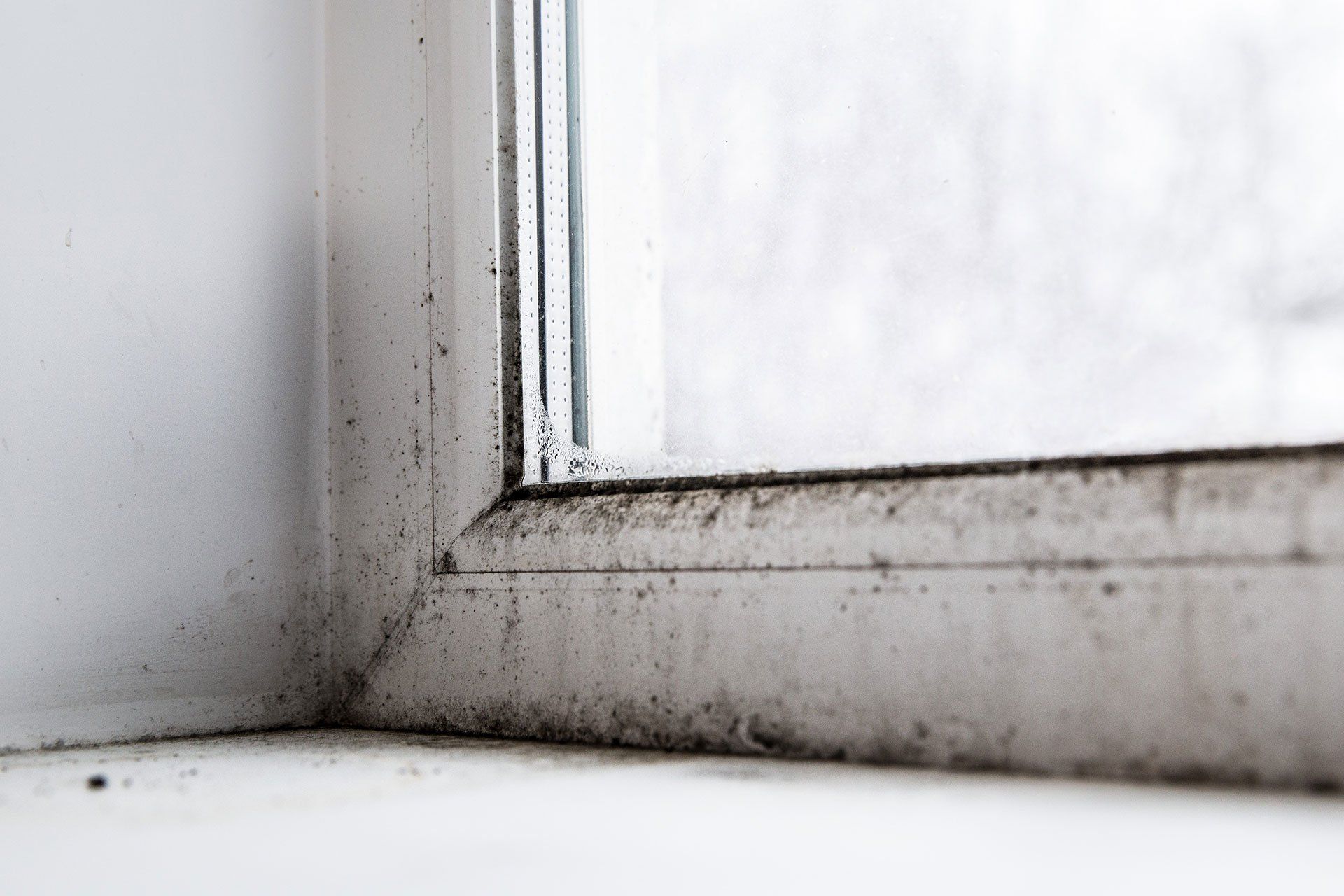
Bacteria and Mold can start to grow in as little as 24 hours.  Once it sets in, removing it becomes much more complicated and expensive. Left unchecked, mold can damage your home's structure and create serious health risks, especially for children, older people, and those with respiratory conditions. 


We've responded to jobs where homeowners waited a few days, thinking the water would dry on its own. By then, mold was already spreading behind drywall and under flooring. Don't make that mistake; call professionals right away. 


2. Secondary Damage Gets Expensive—Fast 


Storms can leave a mess, but it's what happens afterward that often causes the most long-term damage. Within the first two days, here's what you risk if cleanup and drying aren't handled promptly: 


  • Warping and swelling of floors, cabinets, and wood framing 
  • Insulation and drywall deterioration 
  • Electrical hazards from wet wiring 
  • Pest infestations seeking moisture


The longer you wait, the more likely it is that your repair costs will rise, and your insurance coverage may not fully cover secondary damage due to delayed action. 


3. Insurance Claims Often Depend on Your Response Time 


 Most homeowners don't realize that insurance companies expect you to take immediate action after a storm to prevent further damage. Delaying a response can result in partial coverage or denied claims. 


We not only handle restoration, we also document everything to support your insurance claim. We'll take photos, note damage types, and help you communicate with your adjuster so the process runs smoothly. 


4. Restoration Professionals Can Prevent Further Loss 


While some damage is obvious, other issues aren't easy to resolve until it's too late. Our trained technicians use thermal imaging cameras, moisture meters, and years of experience to find hidden problems. 


We'll identify water behind walls, compromised roofing, insulation saturation, and other signs of trouble that a basic visual inspection might miss. By catching these issues early, we help you prevent even more costly repairs down the line. 


5. Peace of Mind Comes with Quick, Professional Help 


Storm damage can leave you feeling overwhelmed and unsure of where to start. That's where we come in. Our crews are available 24/7 and can be on-site within hours of your call. We bring the equipment, expertise, and manpower to stabilize the situation and begin cleanup immediately. 


Our goal is to give you peace of mind during a stressful time. From tarping a roof to extracting water and setting up drying systems, we do what's needed to protect your home and your family. 


What You Should Do Immediately After Storm Damage 


Here's a quick checklist for what to do during those first critical 24 hours: 


  • Ensure safety first. If there's flooding, downed power lines, or structural concerns, evacuate and call emergency services. 
  • Call us as soon as it's safe. The sooner we're on-site, the better the outcome. 
  • Take photos and document damage. Before cleanup begins, take photos of all visible damage to the building and other personal property. This helps with insurance. 
  • Avoid using electrical appliances in wet areas. Water and electricity are a dangerous mix. 
  • Don't wait for visible mold. If there has been water intrusion, assume mold risk is present and let professionals assess it and our mold remediation team can help!


We're Here When You Need Us 


Storms don't wait—and neither do we. At Wow Total Cleaning and Restoration in Austin, we offer 24/7 emergency response because we know that time is of the essence. Whether it's your home or business, the sooner we start the restoration process, the better chance we have of saving what matters most to you. 


Don't gamble with your property or your health by waiting. If your home has been affected by a recent storm, give us a call today. Our storm damage restoration team is ready to help you recover quickly, safely, and completely.

WOW Total Cleaning & Restoration - Blog
March 10, 2026
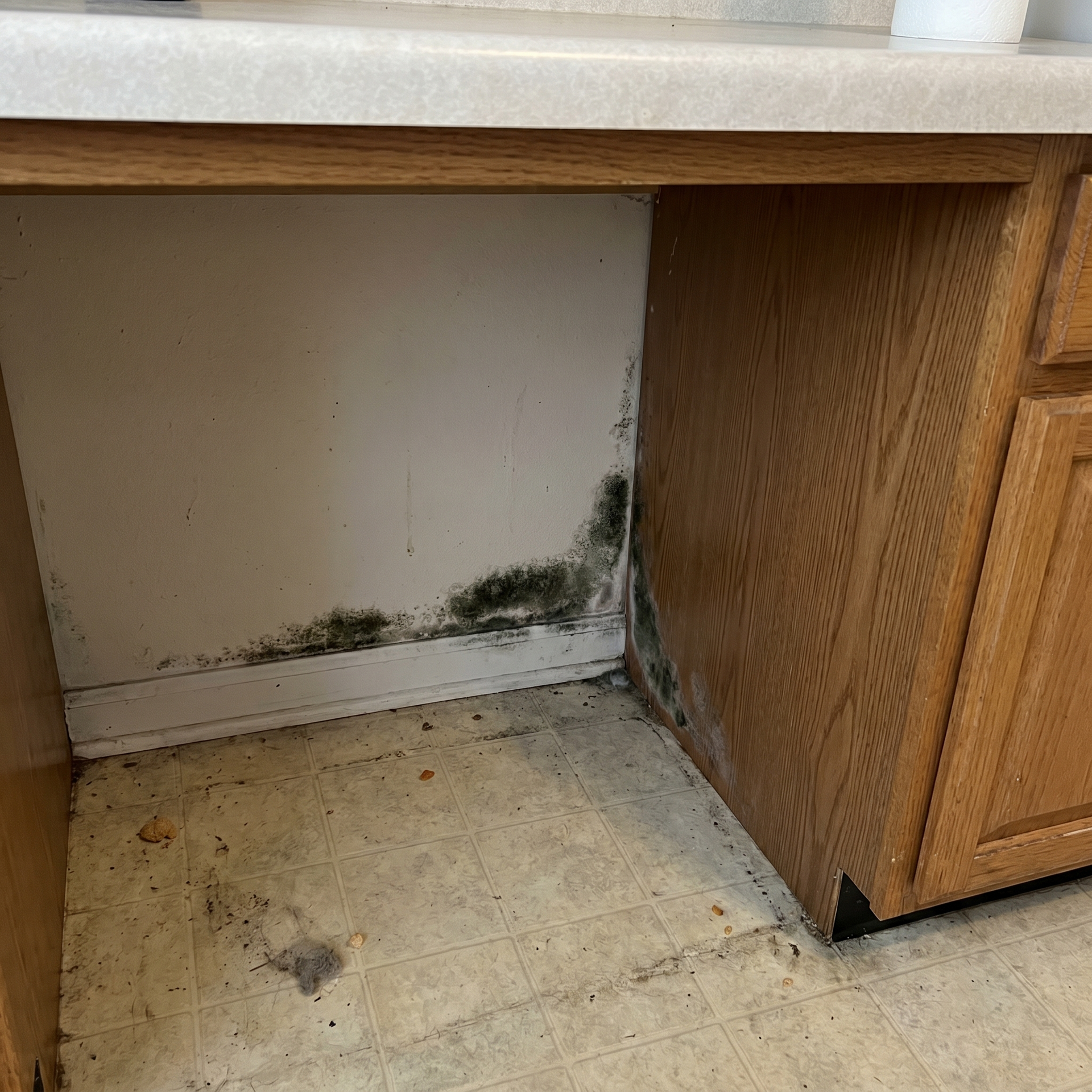
Water damage is one of the most expensive and disruptive problems homeowners face. From minor leaks to major flooding, uncontrolled water can weaken structural components, destroy personal belongings, and create a mold-prone environment. Understanding how to prevent the most common causes of water damage is essential for protecting your home, preserving its value, and avoiding costly repairs. By staying proactive and addressing small issues early, you can significantly reduce the risk of serious damage. Why Water Damage Prevention Matters Water damage often develops quietly. A small drip under a sink or a loose roof shingle may not seem urgent. Still, over time, these issues can escalate into structural deterioration, electrical hazards, and unhealthy indoor air conditions. Preventive maintenance is far more affordable than restoration services , which may involve structural repairs, mold remediation, and replacing flooring or drywall. Taking preventative steps also helps lower insurance claims, reduces stress during heavy storms, and extends the lifespan of your plumbing and roofing systems. Leaking Pipes and Plumbing Failures Faulty plumbing is one of the most common sources of water damage. Pipes can leak due to corrosion, loose fittings, high water pressure, or freezing temperatures. How to Prevent Plumbing-Related Water Damage Start by inspecting visible pipes under sinks, in basements, and around water heaters at least twice a year. Look for moisture, rust, discoloration, or small drips. Even minor condensation can signal a larger issue. Maintain consistent indoor temperatures during cold months to prevent frozen pipes. Insulating exposed pipes in unheated areas such as crawl spaces or garages adds an extra layer of protection. Monitoring your water pressure is also important. Excessively high pressure strains pipes and connections. Installing a pressure regulator ensures your plumbing system operates within safe limits. Finally, replace aging hoses on washing machines and dishwashers. These hoses often fail unexpectedly, releasing significant amounts of water in minutes. Roof Leaks and Damaged Shingles Your roof is the first line of defense against rain and snow. Over time, shingles can crack, curl, or loosen, allowing moisture to penetrate the underlayment and ceiling. Roof Maintenance Best Practices Inspect your roof visually at least once a year and after major storms. Look for missing shingles, damaged flashing, and debris buildup. If you are not comfortable climbing onto your roof, hire a professional inspection service. Keep gutters clean and free of leaves and dirt. Clogged gutters cause water to pool and overflow, which can seep into the roof structure and siding. Ensure proper attic ventilation. Poor airflow can lead to condensation buildup that mimics a roof leak. Adequate insulation and ventilation reduce moisture accumulation and extend roof life. Clogged Gutters and Downspouts Gutters and downspouts channel water away from your foundation. When they become clogged, water spills over the sides and collects around the base of your home. Preventing Drainage Problems Clean gutters at least twice a year, especially during autumn when leaves accumulate. Installing gutter guards can reduce debris buildup and minimize maintenance. Check that downspouts extend several feet away from your foundation. Water that pools near your home increases the risk of basement leaks and foundation cracks. Consider grading your landscape so that the soil slopes away from the house. Proper drainage prevents water from settling against exterior walls. Appliance Malfunctions Household appliances such as water heaters, refrigerators, and washing machines are common sources of leaks. Appliance Maintenance Tips Replace water heaters according to manufacturer recommendations. Aging tanks are more likely to rupture. Inspect the area around the heater for rust or moisture. Check refrigerator water lines for leaks and ensure connections are secure. Clean coils regularly to maintain efficient operation. Position appliances on water-resistant pans with drainage lines when possible. These pans help contain minor leaks before they cause extensive damage. HVAC System Issues Heating and cooling systems can contribute to water damage if condensation drains become clogged. Protecting Against HVAC Leaks Schedule annual professional maintenance for your HVAC system. Technicians will inspect drain lines, clean components, and identify potential problems. Ensure that condensation drain lines are clear and properly directed. A clogged drain line can cause water to overflow into walls or ceilings. Replace air filters regularly to maintain airflow and reduce strain on the system. Storm and Weather-Related Damage Severe weather events often result in water intrusion. High winds can damage roofing materials, while heavy rainfall overwhelms drainage systems. Storm Preparation Measures Before storm season, inspect exterior seals around windows and doors. Reapply caulking where gaps appear. Trim trees and remove dead branches near your home. Falling limbs can puncture roofs and siding. Keep an emergency response plan in place. Know where your main water shutoff valve is located so you can act quickly if a pipe bursts. Smart Technology for Water Damage Prevention Modern technology offers new ways to detect and prevent water damage. Smart water leak detectors can alert homeowners to leaks in real time through mobile apps. Installing automatic water shutoff systems provides added security. These systems detect unusual water flow and shut off the supply before significant damage occurs. While technology is not a substitute for regular maintenance, it adds a valuable layer of protection. Mold Prevention and Indoor Air Quality Water damage often leads to mold growth within 24 to 48 hours. Mold can cause respiratory issues and unpleasant odors. To prevent mold, address leaks immediately and thoroughly dry affected areas. Use dehumidifiers in humid climates to maintain balanced indoor moisture levels. Ensure bathrooms and kitchens are equipped with functional exhaust fans to remove excess humidity during showers and cooking. Creating a Preventive Maintenance Routine The most effective way to prevent water damage is consistency. Develop a seasonal checklist that includes inspecting plumbing, cleaning gutters, examining roofing materials, and testing sump pumps. Document inspections and repairs to track recurring issues. Early detection and prompt action are the keys to long-term protection. Investing time in preventive maintenance safeguards not only your property but also your peace of mind. Call Wow Today for Water Damage Restorations Preventing the most common causes of water damage requires awareness, regular inspections, and timely maintenance. From plumbing leaks and roof damage to clogged gutters and appliance failures, many risks can be minimized with proactive care. By implementing the strategies outlined in this guide, homeowners can reduce repair costs, protect structural integrity, and maintain a safe and comfortable living environment. Water damage may be common, but with the right preventive measures, it is largely avoidable. When water damage strikes, you need a team you can trust to handle every step, from extraction and drying to full restoration. WOW Total Cleaning combines advanced equipment with experienced technicians to ensure your property is thoroughly restored and protected from further issues like mold or structural damage. Learn more about our expert water damage restoration services and take the first step toward peace of mind.
January 26, 2026
Texas homeowners can prevent frozen pipes and costly water damage with winter preparation tips from a professional water damage restoration company.
December 17, 2025
May you be worried that mold is hiding in your home? Learn the key signs of hidden mold, health symptoms to watch for, and how to confirm and prevent mold problems before they get worse.
November 20, 2025
Do not gamble with hidden fire damage. Investing in expert restoration protects your home, your health, and your peace of mind.
September 29, 2025
If you’re dealing with a dishwasher leak or any kind of appliance-related water damage, contact a local water damage restoration company right away.
August 22, 2025
If you want a spotless, professional-looking office without disrupting your team’s productivity, consider hiring a reputable floor cleaning service.
More Posts