Is Mold Lurking in Your Walls? Signs of Hidden Mold in Your Home

December 17, 2025

Mold is a common problem that many homeowners overlook. Unlike clear structural damage, mold often grows quietly behind walls, under floors, or in areas with poor ventilation. By the time you notice visible mold, it may already be widespread. Learning how to spot hidden mold early can help you protect your health, your property, and your peace of mind.


Unexplained Musty or Earthy Odors

A persistent musty smell is often one of the first signs of hidden mold. Mold gives off compounds that create the damp, earthy odor you might notice in basements or older buildings.

If you notice a musty smell that:

  • Lingers even after cleaning
  • Is stronger in certain rooms
  • Appears after rain or high humidity

there’s a strong chance mold is growing somewhere you can’t see. Trust your nose, as odor is often the first clue homeowners miss.


Persistent Allergy or Respiratory Symptoms

Mold doesn’t just damage homes; it can affect your health. Mold can harm your health as well as your home. If you or your family have symptoms that get better when you leave the house, mold could be the cause. or coughing

  • Nasal congestion or sinus irritation
  • Itchy eyes or skin
  • Headaches or fatigue
  • Worsening asthma symptoms

These symptoms are more concerning if they last all year instead of only during certain seasons.


Water Damage or Past Leaks

Mold thrives in moist conditions. Mold needs moisture to grow, so water damage is a big warning sign. Even if you fixed a leak a long time ago, mold can still grow in damp spots behind walls or under floors. Stains on ceilings or walls.

  • Bubbling or peeling paint
  • Warped baseboards or flooring
  • Discoloration around windows or vents

Any place that has had leaks, flooding, or high humidity is likely to have hidden mold.


Visible Stains That Keep Coming Back

Sometimes mold shows up for a short time before hiding again. If you clean a stain and it keeps coming back, it could mean there’s a bigger problem underneath.

Mold stains may appear as:

  • Black, green, or gray spots
  • Fuzzy or slimy patches
  • Discoloration that spreads over time

If stains keep coming back, it usually means there is still moisture and mold behind the surface.


Increased Humidity and Condensation

High indoor humidity makes it easy for mold to grow. If your home feels damp or you often see condensation, mold could be starting to form.

Signs include:

  • Condensation on windows or pipes
  • A damp or sticky indoor feeling
  • Poor ventilation in bathrooms or kitchens

Try to keep indoor humidity below 50%. If it stays higher than that, your risk for mold goes up.


Where Mold Commonly Hides

Mold likes dark, damp, and quiet places. Here are some of the most common spots where it hides:

  • Behind drywall
  • Under sinks
  • Inside HVAC systems
  • Attics and crawl spaces
  • Behind appliances

Since people don’t check these areas often, mold can grow there for months or even years without being noticed.


How to Confirm Hidden Mold

If you suspect mold but can’t see it, or if you think you have mold but can’t find it, you may need a professional to test your home. Mold inspections can check for moisture, sample the air, and test surfaces to find hidden mold.yourself, as spores can spread quickly through the air.


Preventing Mold Before It Takes Over

The best way to deal with mold is to prevent it in the first place. Here are some important steps:

  • Fix leaks promptly
  • Improve ventilation
  • Use dehumidifiers in damp areas.
  • Maintain proper drainage around your home.
  • Schedule regular inspections

It’s much easier and cheaper to fix moisture problems early than to handle a serious mold problem later.


Is Mold in Your Walls?

Mold doesn’t always show up where you can see it. It often hides and can affect your health and home without you knowing. Learning how to spot hidden mold helps you act early, prevent damage, and keep your home safe.


If something doesn’t seem right, like a strange smell, health issues, or ongoing moisture problems, it’s worth checking out. Finding mold early can make a big difference. If Wow Total Cleaning a call, we can help you with mold remediation in Austin.


WOW Total Cleaning & Restoration - Blog
March 10, 2026
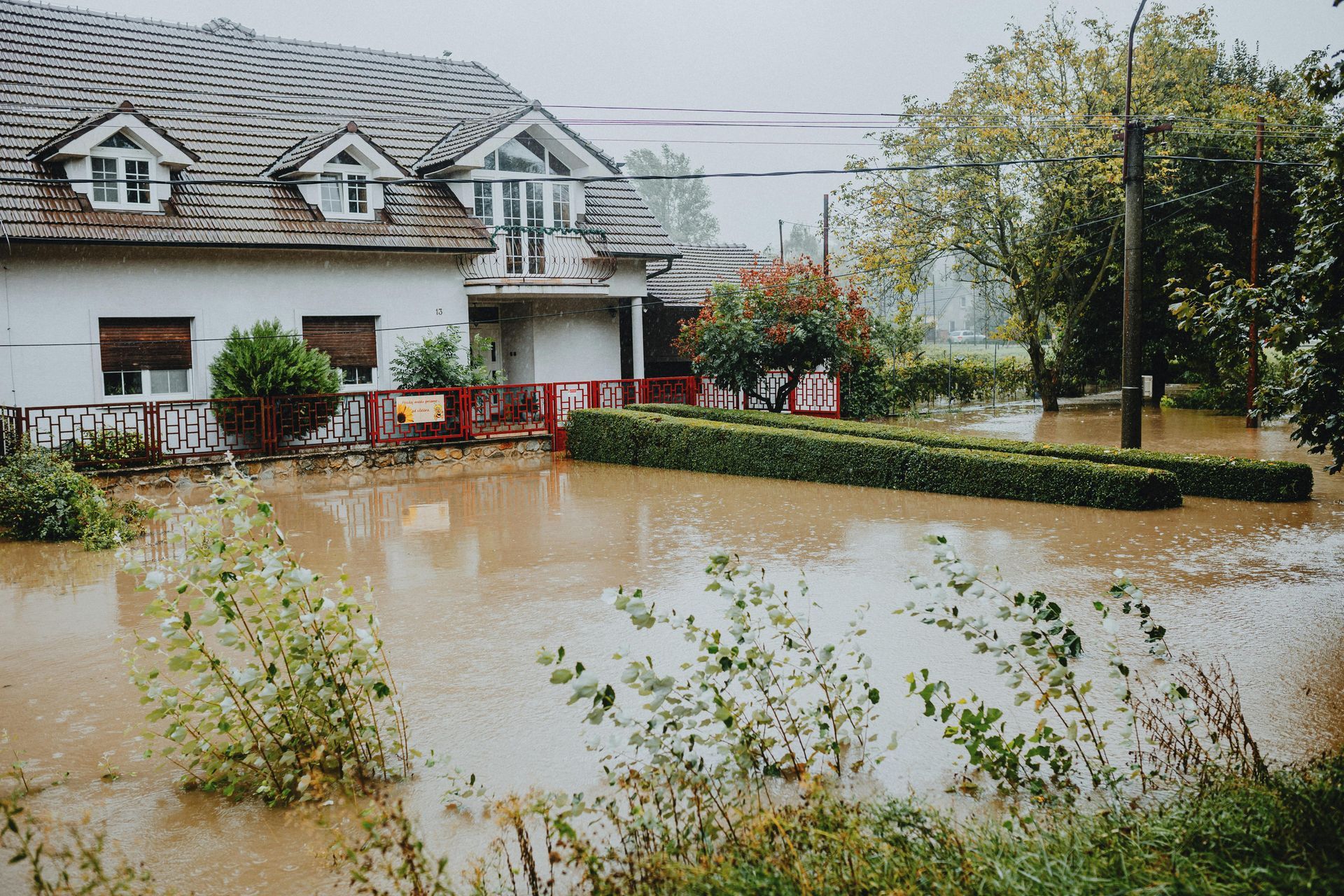
Water damage is one of the most expensive and disruptive problems homeowners face. From minor leaks to major flooding, uncontrolled water can weaken structural components, destroy personal belongings, and create a mold-prone environment. Understanding how to prevent the most common causes of water damage is essential for protecting your home, preserving its value, and avoiding costly repairs. By staying proactive and addressing small issues early, you can significantly reduce the risk of serious damage. Why Water Damage Prevention Matters Water damage often develops quietly. A small drip under a sink or a loose roof shingle may not seem urgent. Still, over time, these issues can escalate into structural deterioration, electrical hazards, and unhealthy indoor air conditions. Preventive maintenance is far more affordable than restoration services , which may involve structural repairs, mold remediation, and replacing flooring or drywall. Taking preventative steps also helps lower insurance claims, reduces stress during heavy storms, and extends the lifespan of your plumbing and roofing systems. Leaking Pipes and Plumbing Failures Faulty plumbing is one of the most common sources of water damage. Pipes can leak due to corrosion, loose fittings, high water pressure, or freezing temperatures. How to Prevent Plumbing-Related Water Damage Start by inspecting visible pipes under sinks, in basements, and around water heaters at least twice a year. Look for moisture, rust, discoloration, or small drips. Even minor condensation can signal a larger issue. Maintain consistent indoor temperatures during cold months to prevent frozen pipes. Insulating exposed pipes in unheated areas such as crawl spaces or garages adds an extra layer of protection. Monitoring your water pressure is also important. Excessively high pressure strains pipes and connections. Installing a pressure regulator ensures your plumbing system operates within safe limits. Finally, replace aging hoses on washing machines and dishwashers. These hoses often fail unexpectedly, releasing significant amounts of water in minutes. Roof Leaks and Damaged Shingles Your roof is the first line of defense against rain and snow. Over time, shingles can crack, curl, or loosen, allowing moisture to penetrate the underlayment and ceiling. Roof Maintenance Best Practices Inspect your roof visually at least once a year and after major storms. Look for missing shingles, damaged flashing, and debris buildup. If you are not comfortable climbing onto your roof, hire a professional inspection service. Keep gutters clean and free of leaves and dirt. Clogged gutters cause water to pool and overflow, which can seep into the roof structure and siding. Ensure proper attic ventilation. Poor airflow can lead to condensation buildup that mimics a roof leak. Adequate insulation and ventilation reduce moisture accumulation and extend roof life. Clogged Gutters and Downspouts Gutters and downspouts channel water away from your foundation. When they become clogged, water spills over the sides and collects around the base of your home. Preventing Drainage Problems Clean gutters at least twice a year, especially during autumn when leaves accumulate. Installing gutter guards can reduce debris buildup and minimize maintenance. Check that downspouts extend several feet away from your foundation. Water that pools near your home increases the risk of basement leaks and foundation cracks. Consider grading your landscape so that the soil slopes away from the house. Proper drainage prevents water from settling against exterior walls. Appliance Malfunctions Household appliances such as water heaters, refrigerators, and washing machines are common sources of leaks. Appliance Maintenance Tips Replace water heaters according to manufacturer recommendations. Aging tanks are more likely to rupture. Inspect the area around the heater for rust or moisture. Check refrigerator water lines for leaks and ensure connections are secure. Clean coils regularly to maintain efficient operation. Position appliances on water-resistant pans with drainage lines when possible. These pans help contain minor leaks before they cause extensive damage. HVAC System Issues Heating and cooling systems can contribute to water damage if condensation drains become clogged. Protecting Against HVAC Leaks Schedule annual professional maintenance for your HVAC system. Technicians will inspect drain lines, clean components, and identify potential problems. Ensure that condensation drain lines are clear and properly directed. A clogged drain line can cause water to overflow into walls or ceilings. Replace air filters regularly to maintain airflow and reduce strain on the system. Storm and Weather-Related Damage Severe weather events often result in water intrusion. High winds can damage roofing materials, while heavy rainfall overwhelms drainage systems. Storm Preparation Measures Before storm season, inspect exterior seals around windows and doors. Reapply caulking where gaps appear. Trim trees and remove dead branches near your home. Falling limbs can puncture roofs and siding. Keep an emergency response plan in place. Know where your main water shutoff valve is located so you can act quickly if a pipe bursts. Smart Technology for Water Damage Prevention Modern technology offers new ways to detect and prevent water damage. Smart water leak detectors can alert homeowners to leaks in real time through mobile apps. Installing automatic water shutoff systems provides added security. These systems detect unusual water flow and shut off the supply before significant damage occurs. While technology is not a substitute for regular maintenance, it adds a valuable layer of protection. Mold Prevention and Indoor Air Quality Water damage often leads to mold growth within 24 to 48 hours. Mold can cause respiratory issues and unpleasant odors. To prevent mold, address leaks immediately and thoroughly dry affected areas. Use dehumidifiers in humid climates to maintain balanced indoor moisture levels. Ensure bathrooms and kitchens are equipped with functional exhaust fans to remove excess humidity during showers and cooking. Creating a Preventive Maintenance Routine The most effective way to prevent water damage is consistency. Develop a seasonal checklist that includes inspecting plumbing, cleaning gutters, examining roofing materials, and testing sump pumps. Document inspections and repairs to track recurring issues. Early detection and prompt action are the keys to long-term protection. Investing time in preventive maintenance safeguards not only your property but also your peace of mind. Call Wow Today for Water Damage Restorations Preventing the most common causes of water damage requires awareness, regular inspections, and timely maintenance. From plumbing leaks and roof damage to clogged gutters and appliance failures, many risks can be minimized with proactive care. By implementing the strategies outlined in this guide, homeowners can reduce repair costs, protect structural integrity, and maintain a safe and comfortable living environment. Water damage may be common, but with the right preventive measures, it is largely avoidable. When water damage strikes, you need a team you can trust to handle every step, from extraction and drying to full restoration. WOW Total Cleaning combines advanced equipment with experienced technicians to ensure your property is thoroughly restored and protected from further issues like mold or structural damage. Learn more about our expert water damage restoration services and take the first step toward peace of mind.
January 26, 2026
Texas homeowners can prevent frozen pipes and costly water damage with winter preparation tips from a professional water damage restoration company.
November 20, 2025
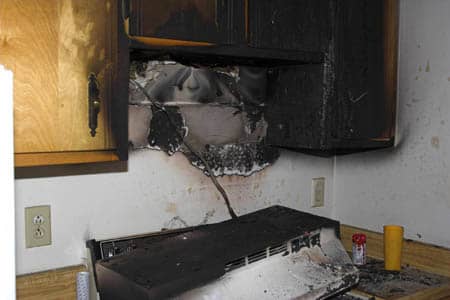
Do not gamble with hidden fire damage. Investing in expert restoration protects your home, your health, and your peace of mind.
September 29, 2025
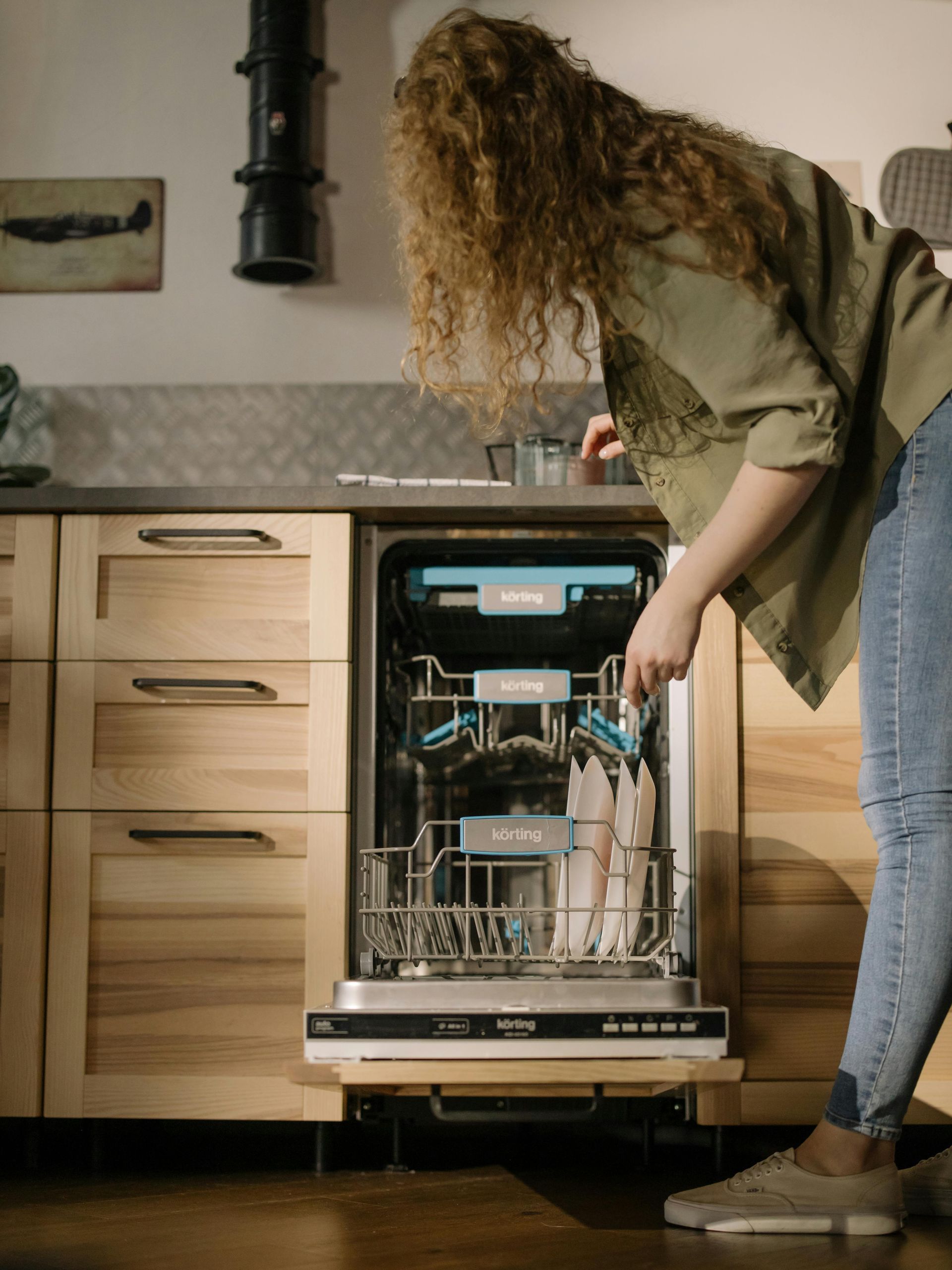
If you’re dealing with a dishwasher leak or any kind of appliance-related water damage, contact a local water damage restoration company right away.
August 22, 2025
If you want a spotless, professional-looking office without disrupting your team’s productivity, consider hiring a reputable floor cleaning service.
Water Flooding in Home
July 21, 2025
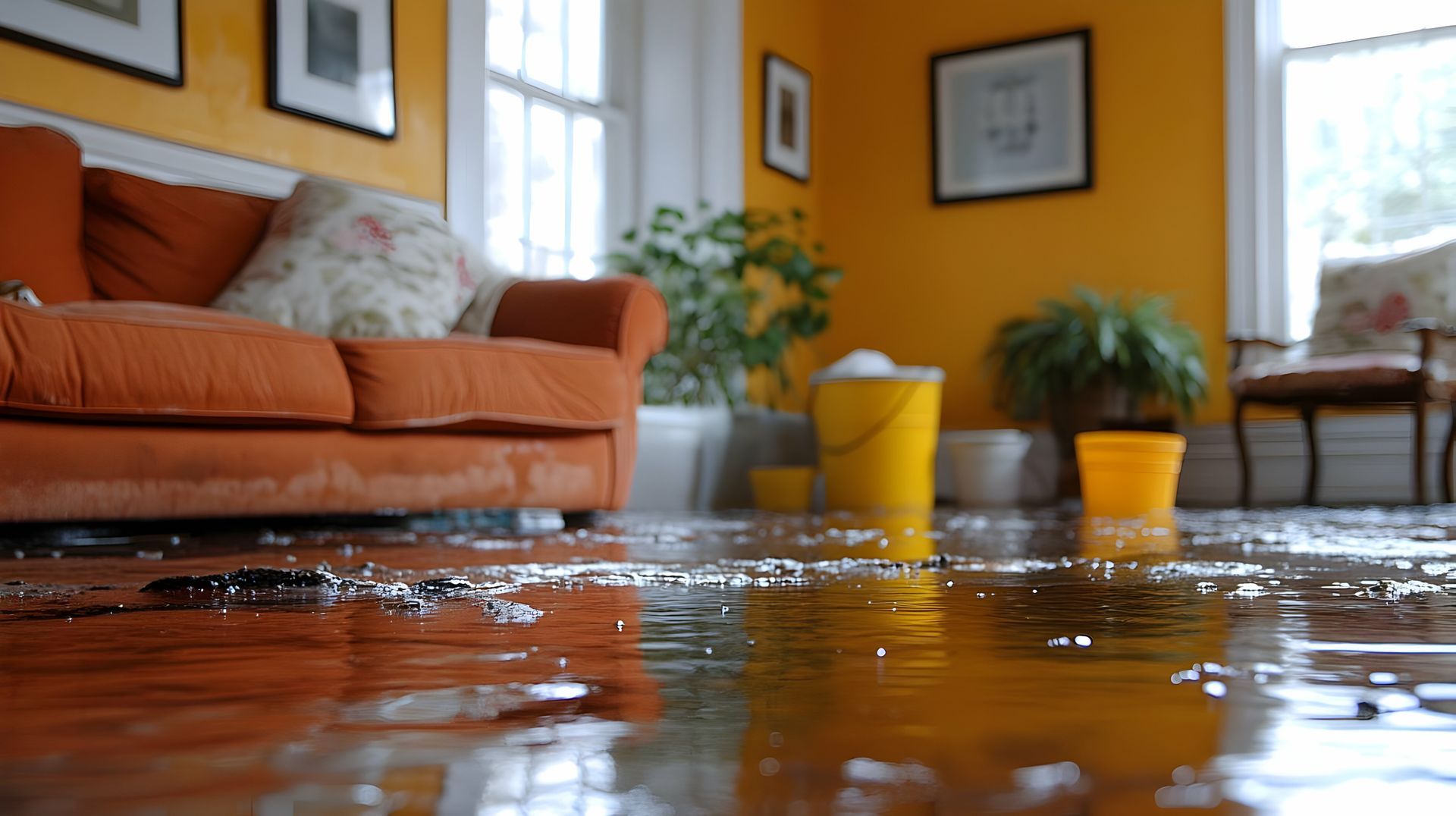
Do I really need a restoration company after a toilet overflow?” The short answer is: yes, in many cases, you do. Here's why.
More Posts