How to Prevent The Most Common Causes of Water Damage in Your Home
Water damage is one of the most expensive and disruptive problems homeowners face. From minor leaks to major flooding, uncontrolled water can weaken structural components, destroy personal belongings, and create a mold-prone environment. Understanding how to prevent the most common causes of water damage is essential for protecting your home, preserving its value, and avoiding costly repairs. By staying proactive and addressing small issues early, you can significantly reduce the risk of serious damage.
Why Water Damage Prevention Matters
Water damage often develops quietly. A small drip under a sink or a loose roof shingle may not seem urgent. Still, over time, these issues can escalate into structural deterioration, electrical hazards, and unhealthy indoor air conditions. Preventive maintenance is far more affordable than restoration services, which may involve structural repairs, mold remediation, and replacing flooring or drywall.
Taking preventative steps also helps lower insurance claims, reduces stress during heavy storms, and extends the lifespan of your plumbing and roofing systems.
Leaking Pipes and Plumbing Failures
Faulty plumbing is one of the most common sources of water damage. Pipes can leak due to corrosion, loose fittings, high water pressure, or freezing temperatures.
How to Prevent Plumbing-Related Water Damage
Start by inspecting visible pipes under sinks, in basements, and around water heaters at least twice a year. Look for moisture, rust, discoloration, or small drips. Even minor condensation can signal a larger issue.
Maintain consistent indoor temperatures during cold months to prevent frozen pipes. Insulating exposed pipes in unheated areas such as crawl spaces or garages adds an extra layer of protection.
Monitoring your water pressure is also important. Excessively high pressure strains pipes and connections. Installing a pressure regulator ensures your plumbing system operates within safe limits.
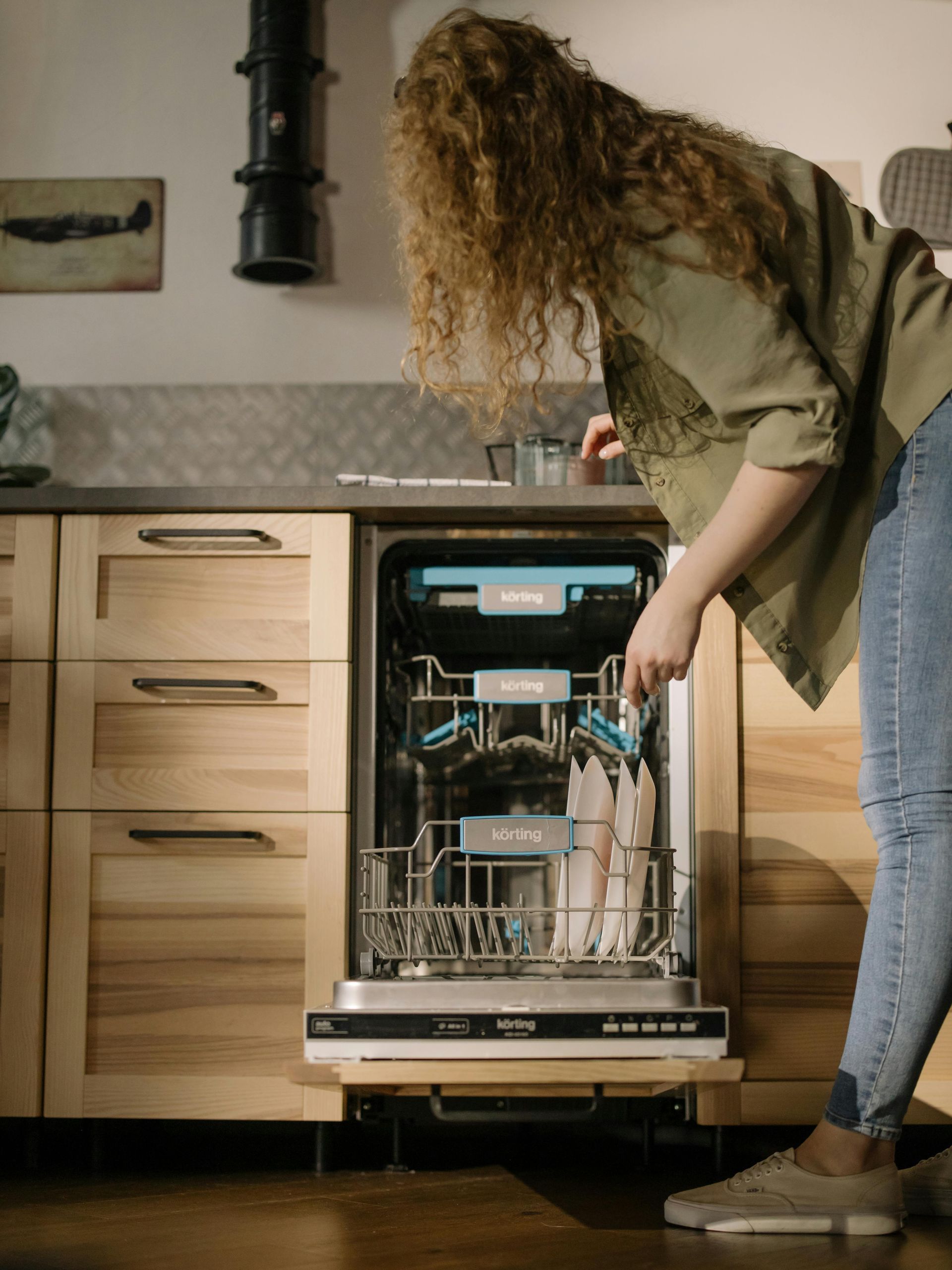
Finally, replace aging hoses on washing machines and dishwashers. These hoses often fail unexpectedly, releasing significant amounts of water in minutes.
Roof Leaks and Damaged Shingles
Your roof is the first line of defense against rain and snow. Over time, shingles can crack, curl, or loosen, allowing moisture to penetrate the underlayment and ceiling.
Roof Maintenance Best Practices
Inspect your roof visually at least once a year and after major storms. Look for missing shingles, damaged flashing, and debris buildup. If you are not comfortable climbing onto your roof, hire a professional inspection service.
Keep gutters clean and free of leaves and dirt. Clogged gutters cause water to pool and overflow, which can seep into the roof structure and siding.
Ensure proper attic ventilation. Poor airflow can lead to condensation buildup that mimics a roof leak. Adequate insulation and ventilation reduce moisture accumulation and extend roof life.
Clogged Gutters and Downspouts
Gutters and downspouts channel water away from your foundation. When they become clogged, water spills over the sides and collects around the base of your home.
Preventing Drainage Problems
Clean gutters at least twice a year, especially during autumn when leaves accumulate. Installing gutter guards can reduce debris buildup and minimize maintenance.
Check that downspouts extend several feet away from your foundation. Water that pools near your home increases the risk of basement leaks and foundation cracks.
Consider grading your landscape so that the soil slopes away from the house. Proper drainage prevents water from settling against exterior walls.
Appliance Malfunctions
Household appliances such as water heaters, refrigerators, and washing machines are common sources of leaks.
Appliance Maintenance Tips
Replace water heaters according to manufacturer recommendations. Aging tanks are more likely to rupture. Inspect the area around the heater for rust or moisture.
Check refrigerator water lines for leaks and ensure connections are secure. Clean coils regularly to maintain efficient operation.
Position appliances on water-resistant pans with drainage lines when possible. These pans help contain minor leaks before they cause extensive damage.
HVAC System Issues
Heating and cooling systems can contribute to water damage if condensation drains become clogged.
Protecting Against HVAC Leaks
Schedule annual professional maintenance for your HVAC system. Technicians will inspect drain lines, clean components, and identify potential problems.
Ensure that condensation drain lines are clear and properly directed. A clogged drain line can cause water to overflow into walls or ceilings.
Replace air filters regularly to maintain airflow and reduce strain on the system.
Storm and Weather-Related Damage
Severe weather events often result in water intrusion. High winds can damage roofing materials, while heavy rainfall overwhelms drainage systems.
Storm Preparation Measures
Before storm season, inspect exterior seals around windows and doors. Reapply caulking where gaps appear.
Trim trees and remove dead branches near your home. Falling limbs can puncture roofs and siding.
Keep an emergency response plan in place. Know where your main water shutoff valve is located so you can act quickly if a pipe bursts.
Smart Technology for Water Damage Prevention
Modern technology offers new ways to detect and prevent water damage. Smart water leak detectors can alert homeowners to leaks in real time through mobile apps.
Installing automatic water shutoff systems provides added security. These systems detect unusual water flow and shut off the supply before significant damage occurs.
While technology is not a substitute for regular maintenance, it adds a valuable layer of protection.
Mold Prevention and Indoor Air Quality
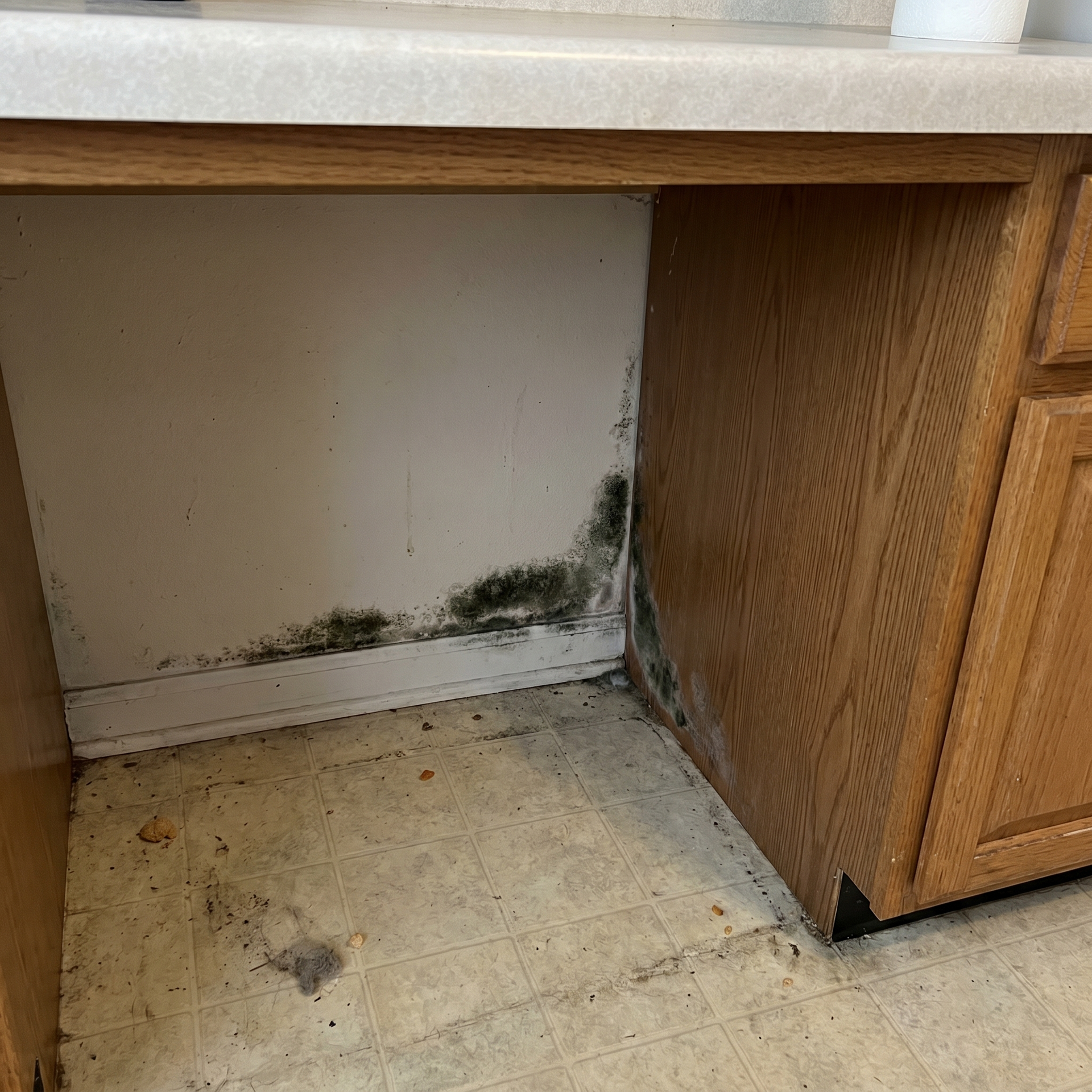
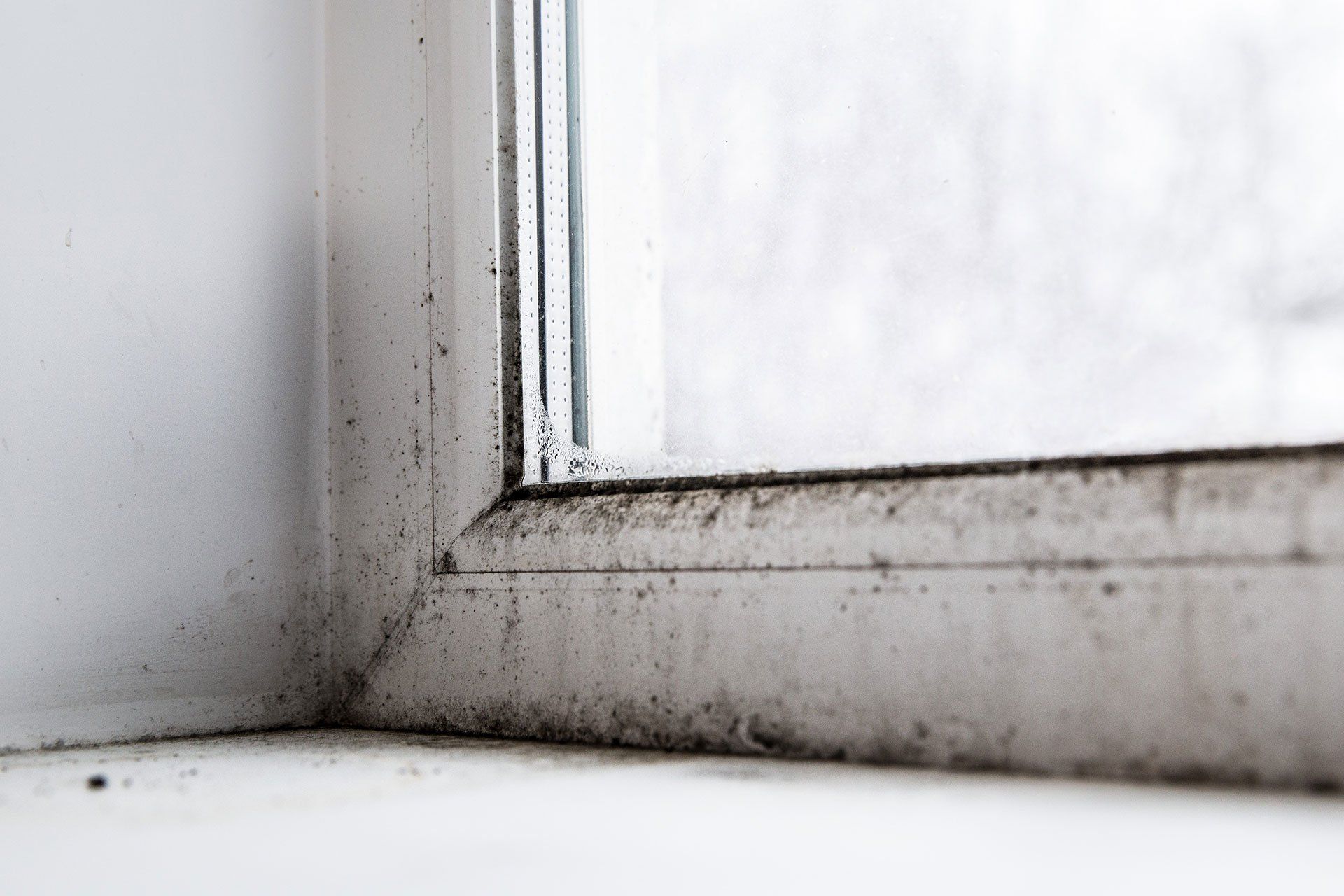
Water damage often leads to mold growth within 24 to 48 hours. Mold can cause respiratory issues and unpleasant odors.
To prevent mold, address leaks immediately and thoroughly dry affected areas. Use dehumidifiers in humid climates to maintain balanced indoor moisture levels.
Ensure bathrooms and kitchens are equipped with functional exhaust fans to remove excess humidity during showers and cooking.
Creating a Preventive Maintenance Routine
The most effective way to prevent water damage is consistency. Develop a seasonal checklist that includes inspecting plumbing, cleaning gutters, examining roofing materials, and testing sump pumps.
Document inspections and repairs to track recurring issues. Early detection and prompt action are the keys to long-term protection.
Investing time in preventive maintenance safeguards not only your property but also your peace of mind.
Call Wow Today for Water Damage Restorations
Preventing the most common causes of water damage requires awareness, regular inspections, and timely maintenance. From plumbing leaks and roof damage to clogged gutters and appliance failures, many risks can be minimized with proactive care.
By implementing the strategies outlined in this guide, homeowners can reduce repair costs, protect structural integrity, and maintain a safe and comfortable living environment. Water damage may be common, but with the right preventive measures, it is largely avoidable.
When water damage strikes, you need a team you can trust to handle every step, from extraction and drying to full restoration. WOW Total Cleaning combines advanced equipment with experienced technicians to ensure your property is thoroughly restored and protected from further issues like mold or structural damage. Learn more about our expert
water damage restoration services and take the first step toward peace of mind.
WOW Total Cleaning & Restoration - Blog